Can an Emergency Dentist Fix a Smile After an Unexpected Accident?
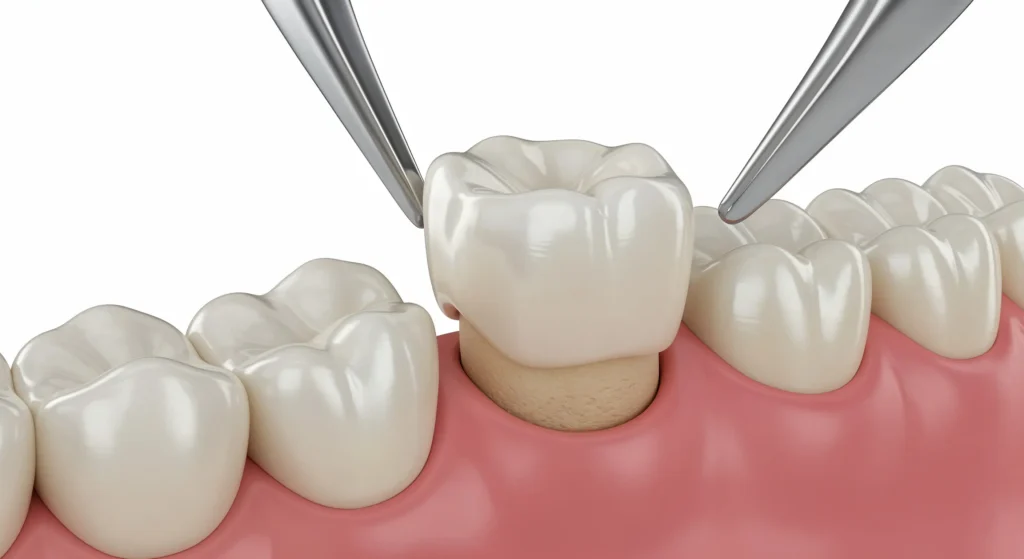

A smile can change in a second. One missed step on wet pavement, an elbow during a pickup basketball game, a bike crash, a fall down the stairs, a child running headfirst into a coffee table, and suddenly a perfectly healthy tooth is chipped, loosened, pushed out of place, or gone entirely. When that happens, most people are not thinking about dental terminology. They are thinking, often in a rush of adrenaline and panic, whether the damage is permanent and whether anyone can make their face look normal again.
The short answer is yes, an Emergency Dentist can often do a great deal after an accident, sometimes far more than patients expect. The longer answer is that the outcome depends on timing, the type of injury, the condition of the tooth and surrounding bone, and what is done in the first hour or two. Some teeth can be repositioned and saved. Some fractures can be bonded so well they are almost invisible. Some cases need a staged repair, with immediate stabilization first and cosmetic refinement later. Not every accident can be reversed in one appointment, but many smiles can be restored functionally and aesthetically with the right urgent care.
The key is understanding what emergency treatment actually covers, what the dentist is looking for, and where the limits are.
What counts as a dental emergency after an accident
People often assume a dental emergency means severe pain. Pain matters, but trauma does not always hurt right away. A tooth can be cracked down the root with surprisingly little discomfort at first. A knocked-out tooth may be dramatic and bloody, but a displaced tooth that still looks attached can be just as urgent. Swelling can also lag behind the injury by several hours.
After an accident, the problems that usually require same-day or immediate attention include chipped or fractured teeth, loose teeth, teeth pushed inward or outward, broken crowns or fillings, cuts to the lips or gums, jaw pain that suggests a fracture or dislocation, and teeth that have been completely avulsed, meaning knocked out of the socket. Even if the visible damage seems minor, a hard blow can injure the tooth’s nerve or the bone that supports it.
In practice, one of the most common mistakes is waiting overnight because the person can still eat or speak. That delay can narrow treatment options. A tooth that might have been stabilized can become nonviable. A clean fracture edge that could have bonded neatly can dry out, stain, or collect bacteria. Soft tissue injuries can also complicate the picture if tooth fragments are embedded in the lip or cheek.
The first question patients ask: can the tooth be saved?
Sometimes yes, sometimes no, and the difference often comes down to the exact injury pattern.
A small enamel chip is usually very treatable. If the broken piece is found and kept moist, the dentist may even be able to reattach it. If not, tooth-colored composite bonding can rebuild the shape beautifully in many cases. A larger fracture that reaches dentin, the softer layer beneath enamel, is more urgent because the tooth is more vulnerable to sensitivity, contamination, and further breakage.
When a fracture extends into the pulp, where the nerve and blood supply sit, treatment becomes more involved. A root canal may be necessary before the tooth can be restored with bonding, a veneer, or a crown. That sounds intimidating to patients, but it is often the procedure that allows a badly injured front tooth to remain in the smile instead of being extracted.
A loose tooth can frequently be splinted, which means gently repositioned if needed and then attached to neighboring teeth with a temporary stabilizing material while the ligament heals. A tooth that has been knocked out altogether can sometimes be replanted, but speed matters enormously. The best chance is usually when reimplantation happens within about 30 minutes, though teeth have been saved after longer periods depending on storage conditions and the maturity of the tooth.
Root fractures are trickier. A tooth may look only slightly mobile from the outside, but an X-ray can reveal a break below the gumline. Some root fractures can be monitored and stabilized. Others eventually fail and require replacement. This is where experience and careful follow-up matter, because the right decision is not always obvious on day one.
What an Emergency Dentist actually does in the first visit
The public image of emergency dentistry is often narrow, almost like it is limited to pain relief. In reality, trauma care is diagnostic as much as procedural. The first appointment after an accident is about protecting what can be saved and preventing a manageable injury from becoming a long-term aesthetic problem.
A good emergency exam usually includes a visual assessment of the teeth, gums, bite, and lips, along with dental X-rays and sometimes photos. The dentist checks for mobility, percussion sensitivity, pulp exposure, bite interference, and signs of socket or bone injury. If a jaw fracture or complex facial trauma is suspected, that may trigger referral to a hospital or oral and maxillofacial surgeon, because not every injury belongs in a standard dental office.
Once the damage is mapped out, treatment often focuses on immediate priorities. Bleeding is controlled. Sharp edges are smoothed or covered. Teeth are repositioned if displaced. Splints are placed when stability is needed. Exposed dentin or pulp is protected. Temporary restorations may be used if definitive cosmetic work is better delayed until swelling settles or the tooth’s vitality can be monitored.
That last point surprises people. Fixing a smile after trauma is not always a one-and-done event. Immediate care can be excellent and still be only the first phase. A front tooth that looks decent after emergency bonding may later need contouring, shade refinement, internal bleaching, root canal treatment, or a crown if the pulp does not survive. The emergency visit is about getting the biology and structure under control first.
What to do in the first minutes after the accident
The way a tooth is handled before the patient even reaches the office can strongly influence whether it can be restored cleanly, saved entirely, or lost.
Here are the most useful first-aid steps:
- Find any broken tooth fragment or knocked-out tooth and handle it by the crown, not the root.
- If the tooth is dirty, rinse it briefly with milk or saline, or with clean water for only a few seconds.
- If it is a permanent tooth and the person can tolerate it, place it back in the socket gently. If not, store it in milk or inside the cheek, if the person is old enough not to swallow it.
- Control bleeding with clean gauze or cloth and apply a cold compress to reduce swelling.
- Call an Emergency Dentist immediately and describe whether the tooth is chipped, loose, displaced, or fully out.
There is a reason dentists repeat the advice about milk so often. A knocked-out tooth dries out quickly, and dry storage badly damages the ligament cells on the root surface. Tucking the tooth into a tissue or leaving it on a counter is one of the fastest ways to turn a salvageable situation into an extraction case.
Primary teeth, meaning baby teeth, are different. They generally are not replanted because doing so can injure the developing permanent tooth underneath. Parents in a panic do not always know that distinction, which is why a calm phone triage from the dental office can be so valuable.
Cosmetic repair versus true reconstruction
Many dental injuries sit on a spectrum between a cosmetic flaw and a structural injury. A tiny chip at the edge of a front tooth may be mostly about appearance. A larger break that changes the bite or exposes dentin is no longer a cosmetic issue alone. When patients ask whether their smile can be fixed, they usually mean, will it look like it did before. The dentist is often thinking one layer deeper, will it function properly and stay healthy.
For uncomplicated chips and edge fractures, modern composite bonding is often the hero of emergency smile repair. In skilled hands, the material can be layered, shaped, and polished to blend into natural enamel remarkably well. Minor asymmetry can be corrected at the same visit. For teens and young adults especially, this is often the preferred starting point because it is conservative and preserves tooth structure.
Crowns come into the picture when a tooth has lost too much structure to be predictably rebuilt with bonding alone. Veneers may also be considered later for cosmetic refinement, but they are rarely the first move in true trauma care. If a tooth has been displaced, loosened, or had a nerve injury, the dentist usually wants healing and stability before finalizing elective cosmetic work.
Implants can restore a missing tooth beautifully, but they are not a same-day cure for every accident. If a tooth cannot be saved, the extraction and site preservation plan need careful timing. Bone and gum contours, especially in the front of the mouth, matter enormously for the final smile. In some situations, an implant is placed later after grafting or soft tissue management. In others, a temporary solution is used to preserve appearance while the tissues heal.
That staged approach can frustrate patients who want an instant answer, but it often leads to a far better long-term result.
Timing changes the outcome more than most people realize
In trauma dentistry, minutes and hours matter. So do days and weeks. A patient who comes in immediately after a sports injury gives the dentist more options than a patient who shows up four days later with a gray front tooth and a story about “just a little chip.”
A classic example is luxation, where a tooth is pushed out of its normal position but not fully knocked out. If that tooth is repositioned promptly and splinted, the ligament and supporting tissues may recover with relatively little visible aftermath. Leave it displaced, and the bite can adapt in all the wrong ways. The tooth may become increasingly mobile, the nerve may die, and bone remodeling can make the final repair harder.
Another example is a cracked tooth. Fresh fracture lines are often easier to identify and protect early. Wait long enough, and symptoms can become muddied by inflammation or infection. Patients sometimes self-manage with over-the-counter pain medicine and soft food, not realizing that each chewing cycle can deepen the crack.
Children add another layer. Trauma to a primary tooth can affect the permanent successor, sometimes years later. A baby tooth that looks fine after a fall may discolor later or fuse to the bone. A permanent tooth in a child or teenager with an immature root has a better chance of maintaining vitality if managed quickly and properly. Pediatric trauma follow-up is one of those areas where the “it looks okay now” mindset can backfire.
What a repaired smile may look like over time
One honest conversation that good emergency dentists have early is this: immediate repair and final repair are not always the same thing.
A bonded front tooth can look excellent on the day of injury, then need touch-ups months later as hydration, shade, and bite settle. A traumatized tooth may test vital initially and still develop pulpal necrosis later. Some teeth darken https://erickzndv407.swiftnestly.com/posts/emergency-dentist-tips-for-reducing-complications-after-tooth-trauma over time because blood products inside the tooth stain the dentin after trauma. Internal bleaching can sometimes correct this. In other cases, a crown or veneer becomes the better cosmetic answer.
Splinted teeth also need monitoring. The splint period depends on the injury, but the removal is not the end of the story. Mobility, bite comfort, radiographic healing, and pulp vitality all need reassessment. I have seen patients feel relieved after the first repair, only to be startled six months later when the tooth changes color. That does not always mean the original treatment failed. Trauma can declare itself slowly.
This is where expectations matter. The emergency visit can absolutely rescue appearance and preserve options, but a serious accident may still create a treatment arc rather than a single procedure. Patients do better when they understand that a beautiful result sometimes arrives in stages.
When the answer is yes, but not in the way patients expect
There are cases where the dentist can fix the smile, but not by saving the original tooth. That distinction matters emotionally. People often attach the idea of success to the natural tooth surviving. Clinically, success may mean recreating a stable, natural-looking smile with a bridge, implant, or removable temporary while the tissues are managed carefully.
Front tooth trauma is especially sensitive because even tiny differences in gumline, translucency, or contour are noticeable. Skilled emergency care can make later restorative work much easier by preserving bone, protecting soft tissue, and maintaining space. Sometimes the best first-day decision is not heroic reattachment at all costs. It is controlled extraction of a non-restorable fragment, grafting to support future esthetics, and fabrication of a temporary that allows the patient to return to work without feeling self-conscious.
That is not failure. It is often excellent dentistry.
Situations that need more than a dental office alone
Most traumatic dental injuries can start with an Emergency Dentist, but not every case should end there. A broken jaw, deep facial lacerations, uncontrolled bleeding, signs of concussion, difficulty breathing, or an accident involving loss of consciousness belong in emergency medical care first. If the face took a major blow, the teeth may be only one part of the injury pattern.
There are also hybrid cases where the dentist coordinates with other professionals. An oral surgeon may manage alveolar bone fractures. An endodontist may handle a complex root canal in a traumatized tooth. A prosthodontist may be brought in later for esthetic reconstruction. For children, a pediatric dentist may be the right lead. Good trauma care is often collaborative, even if the patient first enters through the emergency dental door.
The costs, trade-offs, and decisions patients face
Emergency care after an accident is not just a clinical issue. It is often a budgeting and triage issue too. The ideal treatment plan may not line up neatly with insurance timing, weekend availability, or a patient’s schedule. A practical dentist helps prioritize.
These are common decision points patients encounter:
- Temporary repair now versus definitive cosmetic treatment later.
- Conservative bonding versus fuller coverage such as a crown.
- Monitoring a traumatized tooth versus preemptive root canal treatment when the prognosis is uncertain.
- Saving a compromised tooth for a period of time versus extracting and planning a replacement.
- Choosing speed and affordability versus the most esthetic long-term option.
None of these choices is purely technical. A college student with a chipped central incisor before graduation photos may value immediate appearance above all else. A parent managing a child’s sports injury may prioritize preserving a developing tooth. An older adult with a heavily restored tooth may choose extraction and implant planning sooner because the structural odds are poor. The “best” solution depends on anatomy, timing, budget, and personal priorities.
How to judge whether a dentist is the right one for this kind of emergency
Not every general dental office handles trauma with the same confidence. If you are calling after an accident, it helps to ask a few direct questions by phone. Can they see dental trauma today? Do they manage knocked-out or displaced teeth? Do they take emergency X-rays on site? If a front tooth is chipped or fractured, can they provide same-day cosmetic stabilization? If the injury is beyond the office’s scope, where do they refer?
You do not need a dramatic sales pitch. In fact, the calmest, most useful offices tend to sound matter-of-fact. They ask about the age of the patient, whether the tooth is permanent, how long it has been out, whether there was loss of consciousness, and whether the tooth is currently in milk or back in the socket. Those details tell you they understand trauma triage, not just appointment scheduling.
The real outlook after an accidental smile injury
A damaged smile after an accident is frightening because it feels visible, personal, and urgent all at once. People worry about pain, but they also worry about walking into work, smiling at their child, or seeing themselves in the mirror. That emotional jolt is real, and good emergency dental care takes it seriously.
The encouraging reality is that modern emergency dentistry can do a lot. Chipped teeth can often be rebuilt seamlessly. Loose or displaced teeth can sometimes be stabilized and saved. Knocked-out teeth occasionally survive if handled properly and treated fast. Even when the original tooth cannot be preserved, an experienced Emergency Dentist can often protect the tissues, restore appearance quickly, and guide the patient toward a very natural long-term result.
The biggest variable is not luck alone. It is action. Prompt care preserves options. Thoughtful diagnosis prevents shortcuts that create bigger problems later. And a dentist who understands both trauma and esthetics can often turn a chaotic accident into a repair that, over time, becomes hard for anyone else to notice.
That is usually what patients mean when they ask whether their smile can be fixed. In many cases, yes, it can. Maybe not instantly, maybe not with one procedure, and not always by the route they first imagined. But with the right emergency response, the odds are often much better than they fear.
Simple Dental Vermont
Address: 8914 S Vermont Ave, Los Angeles, CA 90044
Phone number: +13239493000
FAQ About Emergency Dentist Los Angeles CA
What can the ER do for a tooth?
The emergency room can provide temporary symptom relief for a bad tooth, such as prescribing pain medicine or antibiotics, but it cannot fix the actual dental problem.
What is the 3-3-3 rule for tooth infection?
The 3-3-3 rule for a toothache or infection typically means taking three 200 mg ibuprofen tablets (600 mg total) three times a day for no more than three days to control pain and swelling while waiting to see a dentist.
What do you do if you have a dental emergency but no dentist?
If you have a dental emergency and no regular dentist, you should search for an urgent care dental clinic, call local walk-in dental offices, or go to a hospital emergency room if you have severe bleeding, swelling, or trouble breathing.