Emergency Dentist Advice for Toothaches During Travel
A toothache has terrible timing. It rarely starts on a quiet Sunday at home with your own dentist ten minutes away. More often, it flares in an airport security line, halfway through a road trip, or on the second night of a long-awaited holiday when every clinic in town seems to close at five. Travel strips away routine. You eat differently, sleep less, clench more, and sometimes ignore a small twinge until it becomes impossible to miss.
When people search for an Emergency Dentist while traveling, they are usually trying to answer two questions at once. First, how do I get through the next few hours safely? Second, do I need urgent treatment now, or can this wait until I get home? Those are not small questions. The wrong call can turn a manageable irritation into a serious infection, while unnecessary panic can wreck a trip and leave you sitting in an unfamiliar waiting room for something that could have been handled more calmly.
The good news is that most travel-related toothaches can be triaged sensibly. The pain may still be miserable, but the decision-making does not have to be chaotic.
Why tooth pain often gets worse on the road
Travel changes the conditions around a dental problem. A cavity that only bothered you with cold drinks at home may hurt more after days of irregular meals and sugary snacks. A cracked filling may suddenly become a problem once you start chewing tougher food, or once cabin pressure and sinus congestion make your whole face feel off balance. People who grind their teeth at night often do it more during travel, especially when they are sleeping badly, stressed about logistics, or switching time zones.
Dry mouth also plays a bigger role than many travelers realize. Long flights, dehydration, alcohol, and some over-the-counter medications can reduce saliva. Saliva helps buffer acids and protect the teeth. When it drops, irritated teeth and gums become more noticeable. If you already had a mild dental issue before you left, travel can amplify it quickly.
I have seen this pattern repeatedly in practice settings and emergency consultations. A patient says, “It only started yesterday,” but when you ask a few more questions, there was a warning sign two weeks earlier. A little sensitivity. Food packing between two back teeth. A filling that felt slightly rough. Travel did not create the problem from nothing. It pushed it over the edge.
The first thing to figure out
Not every toothache is truly a tooth problem. Sinus pressure can mimic upper tooth pain. Jaw muscle strain can make several teeth feel sore at once. An erupting wisdom tooth can be more about inflamed gum tissue than the tooth itself. Still, if you are away from home, the practical issue is the same: determine whether you need rapid professional care.
Pain that comes and goes with cold drinks is different from pain that wakes you up, throbs without stimulation, or causes facial swelling. Sharp pain when biting can suggest a crack, a high filling, or an inflamed ligament around the tooth. A bad taste with gum swelling can point toward infection. Diffuse pressure across several upper back teeth during a flight descent might be sinus-related, especially if you are congested.
Context matters. If you recently had dental work, a sensitive tooth may simply be settling down. If you lost a filling while eating caramel in a train station, that exposed tooth may become intensely reactive but not necessarily infected. If your face is visibly swelling and swallowing feels difficult, that is no longer a casual travel nuisance. It is urgent.
What you can do in the first hour
The first hour after a travel toothache starts is about reducing irritation and avoiding mistakes. Many people make the pain worse by chewing on the sore side to “test it,” applying aspirin directly to the gum, or drinking something very hot in hopes of soothing it. Those moves often backfire.
Start by rinsing gently with lukewarm water. If food is trapped, floss carefully around the area. I have seen more than one “sudden toothache” disappear after a popcorn hull or meat fiber was removed from under the gum. If the pain is tied to temperature, avoid ice-cold drinks and very hot coffee. If biting triggers it, chew on the opposite side and switch to softer foods for the day.
Over-the-counter pain relief can help, provided you can take those medications safely. Follow the product label and consider your medical history, especially stomach ulcers, kidney disease, liver problems, blood thinners, pregnancy, and medication allergies. A local pharmacist can be surprisingly helpful if you are in an unfamiliar city and trying to navigate brand names that differ from those at home.
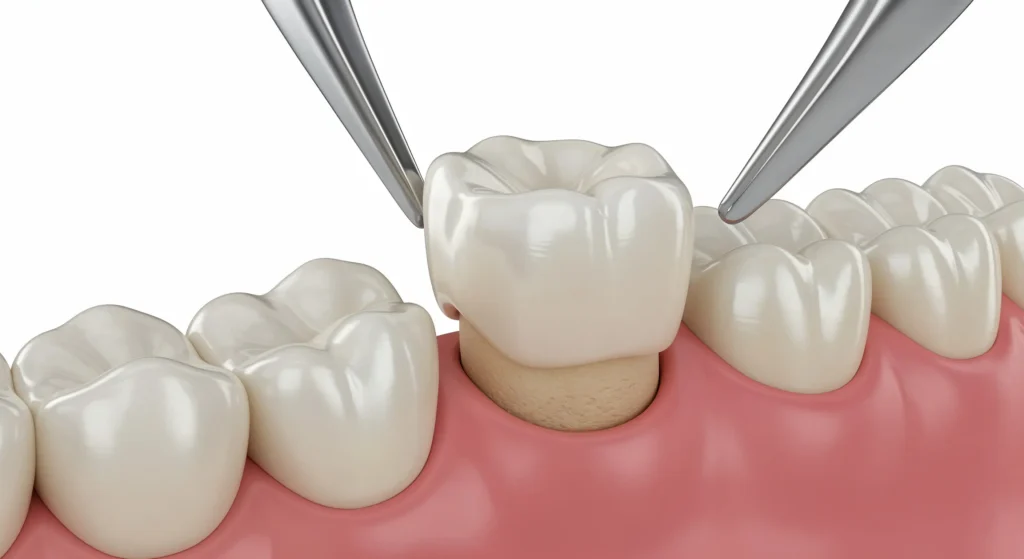
If a filling or crown has come off, keep the tooth as clean as possible and avoid sticky or hard foods. Temporary dental repair kits sold in pharmacies can sometimes cover a sensitive area for a short time. They are a stopgap, not a substitute for proper care, but they can buy you enough comfort to get to a clinic.
When an Emergency Dentist should be your next stop
Some situations deserve same-day attention, even if that means changing plans. Pain alone does not always define urgency. The bigger issue is whether there are signs of spreading infection, structural damage, or a risk that the problem will escalate quickly.
An Emergency Dentist is appropriate if you notice any of the following:
- Facial swelling, swelling of the gums that is rapidly increasing, or swelling near the jaw.
- Fever, feeling unwell, or a bad taste or pus around the tooth.
- Difficulty swallowing, difficulty opening your mouth, or trouble breathing.
- A knocked-out, broken, or significantly cracked tooth after trauma.
- Severe pain that is constant, wakes you from sleep, or does not settle with basic self-care.
That list is intentionally short because urgency should be clear. If your breathing or swallowing is affected, do not spend an hour comparing online reviews. Seek immediate medical care. Dental infections can spread into deeper tissues, and while that is not the most common outcome, it is the scenario professionals worry about most.
Situations that may wait a day or two, but not much longer
Some travel toothaches are miserable without being dangerous. Sensitivity to cold after losing a small filling, mild gum irritation around a wisdom tooth, or soreness from clenching may be manageable for a short window. Even then, do not assume “not dangerous” means “ignore it until next month.” Small dental problems can change character quickly, especially if you are moving through airports, eating on the run, and sleeping poorly.
If the pain is brief and triggered mainly by sweets or cold, you may be dealing with decay or an exposed root surface rather than a deep infection. If it is mainly sore when biting on one specific tooth, a crack or inflamed ligament is possible. That deserves evaluation, but it is usually less dramatic than a facial swelling emergency. If the gums are tender between two teeth after food got stuck, better cleaning and a dentist visit soon may be all that is needed.
The practical rule is simple. If symptoms are stable, mild to moderate, and clearly improving with gentle care, you may have enough time to arrange a non-emergency appointment. If they are intensifying, keeping you from eating, or starting to spread beyond the tooth, move faster.
How to find reliable care when you are far from home
Finding a dentist in an unfamiliar place is stressful, especially when you are in pain. People often search in a panic, click the first result, and hope for the best. A better approach is to verify a few essentials quickly.
Hotel front desks can be helpful, particularly in tourist areas accustomed to visitors needing urgent care. Pharmacists also know which local clinics handle same-day dental pain. Travel insurance providers sometimes have referral lines, and many established dental offices leave clear voicemail instructions about after-hours emergencies.
If you are abroad, check whether the clinic can communicate clearly in a language you understand well enough to discuss symptoms, allergies, medications, and consent. This matters more than many travelers expect. Dental treatment decisions often involve nuance. “Sensitive” and “infected” are not interchangeable. Neither are “temporary filling,” “root canal,” and “extraction.”
Ask direct questions. Do they handle urgent appointments today? What is the consultation fee? Can they take an x-ray on site? Do they provide written documentation for insurance reimbursement? If you have a medical condition or recent dental treatment, mention it upfront.
One practical point that saves time: take photos. If a crown came off, photograph it and the tooth. If your face is swelling, document the progression. If you recently had treatment at home, a picture of that tooth from your dental records portal or a copy of the treatment summary can help the new clinician understand what was done.
What treatment you might actually receive
Travelers often assume an Emergency Dentist will either “fix everything” immediately or simply hand out painkillers. The reality is usually somewhere in between. Emergency dental care focuses on getting you stable, comfortable, and safe. Definitive treatment may happen that day, or it may be staged.
If the problem is a deep cavity with inflamed pulp, the dentist may recommend opening the tooth to relieve pressure, placing a temporary medication, or starting root canal treatment if feasible. If there is an abscess, drainage may be the most important immediate step. If a crown has come off and the underlying tooth is sound, it may be recemented or temporarily covered. A cracked tooth might be protected with a temporary restoration while you arrange follow-up. If the tooth is beyond saving and you are in severe pain, extraction may be discussed.
Antibiotics are not a universal answer. This surprises many people. They are appropriate when there are signs of infection spreading, swelling, fever, or certain gum-related infections. They do not reliably solve pain caused by an inflamed nerve inside a tooth without addressing the source. In other words, antibiotics are not a replacement for dental treatment, and many responsible dentists will explain that carefully.
Managing the hours before your appointment
The period between deciding you need care and actually sitting in the chair can feel longer than it is. Tooth pain has a way of dominating attention. The aim is to reduce triggers and protect the area.
Stick to lukewarm, soft foods if you can manage them. Yogurt, eggs, soup that is not too hot, pasta, rice, mashed vegetables, oatmeal, and smoothies that are not ice-cold are usually easier than crusty bread, nuts, or chewy meat. If sugar worsens the pain, avoid it for the moment. Brush gently but do not stop brushing altogether. Plaque buildup around a sore tooth can make the surrounding gum tissue angrier.
If you are flying before you can be seen, keep hydration up and have pain relief accessible in your carry-on, within the limits of safe use. Changes in pressure can aggravate some dental conditions, though not every traveler notices this. I have heard many versions of the same story: the tooth was tolerable at the gate, then unbearable during descent. Planning ahead helps.
Toothache, swelling, and the temptation to wait it out
One of the hardest judgment calls in travel dentistry is the person who feels “mostly okay” but has visible swelling. They want to salvage the conference presentation, the family wedding, or the one-day tour they booked months ago. Sometimes they can. Sometimes that delay is exactly what makes a bad situation worse.
Swelling is different from plain pain. A tooth can be excruciating without active spreading infection, and it can be relatively painless while an abscess is building pressure. Facial swelling means the body is responding to something more than simple sensitivity. If it is growing, accompanied by fever, or changing how you swallow or speak, the threshold for urgent care drops sharply.
I remember a common scenario from https://www.flickr.com/people/204698476@N05/ emergency settings: a traveler who said the swelling looked “small this morning” and “suddenly bigger after lunch.” That pace matters. Dental infections can move through soft tissues unpredictably. No one should assume they have a generous window just because they managed breakfast.
If you are abroad, think about records and medications
Cross-border care brings a few extra practical issues. Drug names vary between countries. So do concentration strengths, packaging, and rules about what can be dispensed without a prescription. If you take regular medications, keep both brand and generic names on your phone. If you have medication allergies, write them clearly in the local language if possible. This is one of those small travel habits that feels unnecessary until it saves an hour of confusion.
If the dentist prescribes medication, ask for the diagnosis in writing and the name of the treated tooth. Ask what should happen next, and by when. “Follow up with your regular dentist” is not enough detail if you are trying to sort this out after a red-eye flight home. You want to know whether the treatment was temporary, whether a root canal was started but not completed, whether a crown is now needed, and what warning signs should prompt immediate reassessment.
For insurance claims, receipts alone may not be enough. Many providers want itemized invoices and clinical notes. Get those before you leave the office if you can.
A small travel dental kit is worth the bag space
For people who travel often, a compact dental kit can prevent minor issues from becoming major distractions. This is especially useful if you have a history of lost fillings, crowns, tooth sensitivity, gum irritation, or nighttime clenching.
A useful kit usually includes:
- Floss or interdental cleaners.
- A soft travel toothbrush and fluoride toothpaste.
- Your usual pain reliever, taken only as directed and if safe for you.
- Orthodontic wax or temporary dental repair material from a pharmacy.
- A printed or saved note with your dentist’s contact details, medications, and allergies.
None of this is dramatic, but practical preparedness rarely is. The goal is not to treat a true dental emergency from your hotel room. The goal is to reduce avoidable aggravation and give yourself a cleaner runway to proper care.
Special cases that catch travelers off guard
Wisdom tooth flare-ups are notorious during travel. A partially erupted wisdom tooth can trap food and bacteria under a gum flap, leading to pain, swelling, and difficulty chewing. People often mistake this for pain in the tooth in front of it because the whole back corner feels tender. Gentle cleaning helps, but if swelling increases or mouth opening becomes limited, prompt evaluation matters.
Night grinding is another hidden culprit. I have met travelers who were certain they had a cavity because one molar felt bruised and sharp to bite on, only to learn they had been clenching so hard from stress that the ligament around the tooth became inflamed. These cases can still require a dentist to rule out a crack, but the treatment path may be very different from what the patient imagined.
Sinus-related pain can fool almost anyone. Upper molars share nerve pathways with the sinuses, and a head cold during a flight can make several back teeth ache at once. If tapping on one tooth is clearly worse than the rest, a dental source rises higher on the list. If the pain is broad, tied to congestion, and shifts with head position, sinus pressure becomes more likely. Even then, if you are unsure, a dentist is often the fastest way to separate one from the other.
How to reduce the chance of needing emergency care on your trip
The best Emergency Dentist advice often starts before you leave home. If you have a tooth that has been “a little funny,” get it checked before traveling, especially before a long trip, a remote itinerary, or international travel. That slightly loose crown, intermittent sensitivity, or food trap between two teeth is exactly the kind of problem that becomes urgent at the least convenient moment.
A pre-travel dental visit is particularly wise if you have large fillings, unfinished treatment, a history of abscesses, recent root canal work, or wisdom teeth that occasionally flare. It does not need to be elaborate. Often a simple exam and x-rays are enough to spot risks. If your dentist says a cracked tooth can probably wait six months, ask a more travel-specific question: is it likely to wait through two flights, a hiking holiday, and limited access to care? The answer may change.
Hydration helps more than most people think. So does wearing your night guard if you have one, even if you hate packing it. Avoiding hard ice, unpopped popcorn kernels, and chewing on the sore side of your mouth may sound obvious, but travel makes people careless. The airport snack that breaks a temporary crown is usually not memorable until much later.
The judgment that matters most
Toothaches during travel sit in an awkward middle ground. They are rarely life-threatening, but they can become serious. They often improve with simple measures, but sometimes those same measures only delay needed treatment. The key is not to minimize the pain and not to catastrophize it either.
If you can eat, sleep, and function, and the pain is mild, trigger-based, and stable, you may have a little time to arrange care thoughtfully. If the pain is escalating, constant, or joined by swelling, fever, or trouble swallowing, treat it as urgent and look for an Emergency Dentist or immediate medical help. That distinction is the one that protects both your trip and your health.
Most travelers do not need perfect knowledge. They need a calm plan, a few warning signs they can trust, and the willingness to seek help before a bad tooth turns into a much bigger problem. That is usually enough to turn a miserable interruption into a manageable detour.
Simple Dental South Gate
Address: 8617 California Ave, South Gate, CA 90280
Phone number: +13236896118
FAQ About Emergency Dentist Southgate CA
What can the ER do for a tooth?
The emergency room can provide temporary symptom relief for a bad tooth, such as prescribing pain medicine or antibiotics, but it cannot fix the actual dental problem.
What is the 3-3-3 rule for tooth infection?
The 3-3-3 rule for a toothache or infection typically means taking three 200 mg ibuprofen tablets (600 mg total) three times a day for no more than three days to control pain and swelling while waiting to see a dentist.
What do you do if you have a dental emergency but no dentist?
If you have a dental emergency and no regular dentist, you should search for an urgent care dental clinic, call local walk-in dental offices, or go to a hospital emergency room if you have severe bleeding, swelling, or trouble breathing.