Emergency Dentist or ER? Where to Go for Dental Trauma

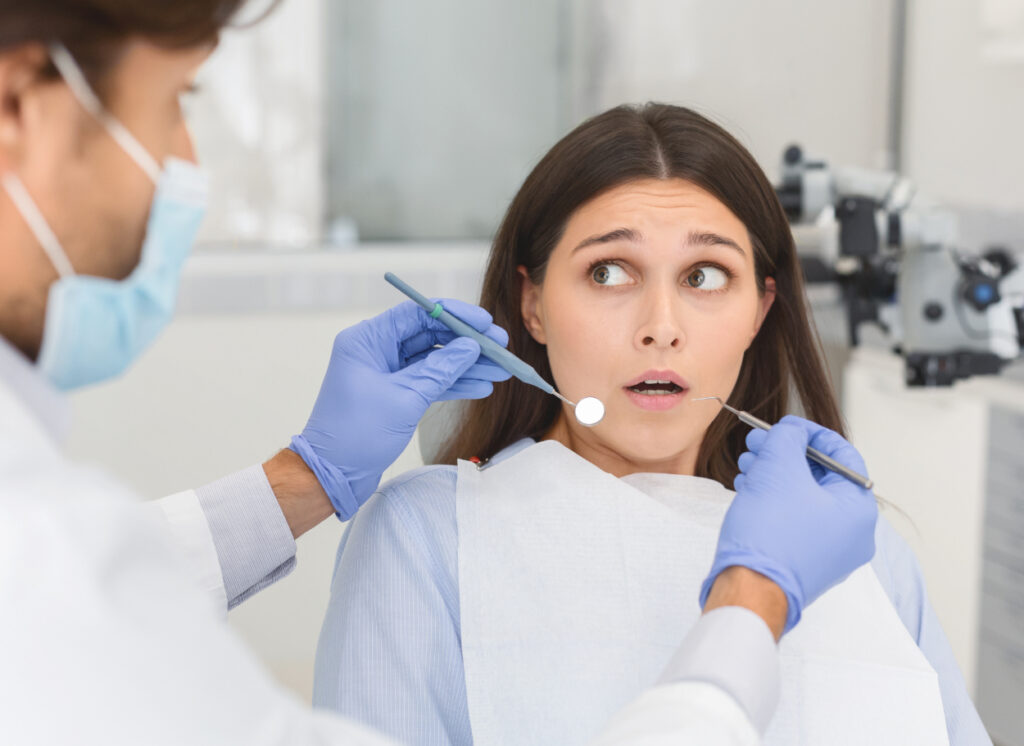

A dental injury has a way of turning an ordinary day into a very urgent one. A fall in the kitchen, an elbow during a basketball game, a sudden crack while eating something hard, and now there is blood, swelling, pain, or a tooth that plainly does not belong where it used to be. In that moment, many people ask the same question: should you call an emergency dentist, or go straight to the emergency room?
The answer depends less on how dramatic the injury looks and more on what systems of the body are at risk right now. Teeth, gums, jawbone, lips, and tongue all occupy the same small space, but not all injuries in that space belong in the same setting. Some problems need a dentist quickly because the tooth can still be saved if treated within a narrow window. Other problems belong in the ER because breathing, severe bleeding, head injury, or a broken jaw take priority over the tooth itself.
That distinction matters. I have seen people spend hours in an emergency room for a broken tooth, only to be told they still need a dentist the next morning. I have also seen the opposite, where someone tried to wait for a dental office despite signs of facial fracture or uncontrolled bleeding that clearly needed hospital care first. Good decisions in the first hour can protect both health and long-term outcomes.
The basic rule that guides the decision
An emergency dentist is usually the right first stop when the problem is centered on the teeth, gums, dental restorations, or a dental infection that is painful but still localized. The ER is the right first stop when the injury threatens your airway, involves loss of consciousness, severe facial trauma, uncontrolled bleeding, or symptoms that go beyond the teeth and soft tissues https://waylontkxt900.tearosediner.net/can-an-emergency-dentist-treat-mouth-sores-and-oral-injuries of the mouth.
That sounds simple on paper, but real injuries rarely arrive in neat categories. A knocked-out tooth can happen along with a concussion. A split lip may look minor but continue to bleed heavily. A jaw injury may first feel like a tooth problem because the bite suddenly seems “off.” The safest approach is to think in layers. First, is there any immediate danger to breathing, consciousness, or major bleeding? Second, is there a possibility of broken facial bones or deep infection? Third, if those are not present, how quickly can an emergency dentist evaluate the mouth and preserve the teeth?
When the ER is the right choice
Hospital emergency departments are built for medical emergencies, not definitive dental repair. That said, there are situations where they are absolutely the right place to go, and delaying can be risky.
If there is trouble breathing or swallowing, go to the ER. This can happen with rapidly spreading dental infection, severe swelling under the tongue or in the cheeks, or trauma that causes tissue swelling and blood pooling. Breathing always outranks the tooth.
If there is uncontrolled bleeding, go to the ER. Oozing after a tooth injury is common. Steady, bright bleeding that does not slow after firm pressure is different. A torn lip, tongue laceration, or injury to the gums can bleed more than people expect, especially in patients taking blood thinners.
If there was loss of consciousness, vomiting, confusion, severe headache, vision changes, or neck pain after the impact, this is no longer just a dental event. It may involve a concussion, intracranial injury, or cervical spine injury. Start with emergency medical care.
If the jaw appears broken or dislocated, the ER is usually the correct first step. Warning signs include inability to close properly, severe pain when trying to open, obvious facial asymmetry, numbness in the lower lip or chin, or teeth that no longer meet normally after a blow. Those cases often need imaging and, sometimes, oral and maxillofacial surgery support.
Deep facial cuts that may need stitches, especially through the lip border, also belong in an ER or urgent care with suturing capability. The cosmetic result of a poorly repaired lip laceration can last long after the tooth has been restored.
When an emergency dentist is usually the better first call
An emergency dentist is often the best option when the injury is dental in the strict sense: a tooth is broken, displaced, loosened, knocked out, or causing severe pain after trauma, but the person is otherwise stable. Dentists have the equipment, materials, and training to stabilize teeth, assess pulpal injury, take appropriate dental radiographs, place splints, treat exposed nerves, and plan follow-up needed to save the tooth.
This is especially important for avulsed teeth, meaning teeth that have been completely knocked out. Many emergency rooms can provide pain control and basic advice, but they may not have the dental setup or experience to replant and stabilize the tooth properly. Time matters here. An emergency dentist can often offer the best chance of saving the tooth if seen quickly.
The same goes for teeth that are pushed inward, partially displaced, or fractured deeply enough to expose the pulp. These injuries may not look as dramatic as a facial wound, but from a dental standpoint they can be very time-sensitive. A front tooth that is replanted or splinted at the right moment can remain functional for years. A tooth left untreated too long may later require root canal treatment, crown work, or extraction.
The injuries that most often cause confusion
A chipped tooth is the classic example. If the chip is small, there is no severe pain, and no sharp edge is cutting the lip or tongue, it can often wait for a prompt dental appointment during regular office hours. If the break is large, the tooth is highly sensitive to air or water, or there is a visible pink or red spot in the center, that is more urgent and should be seen by an emergency dentist as soon as possible.
A cracked tooth can be harder to recognize. Sometimes there is no obvious missing piece, just pain when biting or a sharp zing with cold liquids. Trauma-related cracks can deepen over time. They rarely belong in the ER unless the injury also involves facial trauma or medical red flags. They do belong on a dentist’s radar quickly because the treatment depends on how far the crack extends.
A loose adult tooth is never something to ignore. Children often have naturally loose baby teeth, but a permanent tooth that has become mobile after a fall or collision needs prompt dental evaluation. Sometimes a splint can stabilize it while the supporting tissues heal. Waiting a few days can change the prognosis.
A knocked-out baby tooth should not usually be replanted. That surprises many parents. Replanting a primary tooth can damage the developing permanent tooth underneath. A dentist should still examine the child promptly, but the response is different from that for a permanent tooth.
What to do in the first 30 minutes
The first half hour after dental trauma often shapes what comes next. Calm, simple actions matter more than elaborate home remedies.
If a permanent tooth has been knocked out, pick it up by the crown, which is the part normally visible in the mouth. Do not scrub the root. If it is dirty, rinse it gently with milk or saline, or briefly with water if nothing else is available. If the person is alert and able, the best outcome often comes from gently placing the tooth back into its socket right away and having them bite down softly on clean gauze or cloth to hold it in place. If replantation is not possible, keep the tooth moist in cold milk, saline, or inside the cheek of a cooperative older patient. Do not store it dry in a tissue or napkin.
For bleeding, apply firm pressure with clean gauze. Not a quick dab, firm, continuous pressure. People often lift the gauze every few seconds to check, and that restarts bleeding. Hold steady for a good stretch before reassessing.
For swelling, a cold compress on the outside of the face can help with pain and inflammation. Ice should be wrapped, not applied directly to the skin for prolonged periods.
For pain, over-the-counter medication may help if the patient can take it safely. Aspirin is not ideal in fresh bleeding situations because it can worsen bleeding in some cases. Ibuprofen or acetaminophen is more commonly used, though medical conditions and age matter. If there is any doubt, especially with children, the person’s physician or pharmacist can guide safe dosing.
Here is a practical triage guide many families find useful:
- Go to the ER now for trouble breathing, trouble swallowing, loss of consciousness, severe facial swelling, uncontrolled bleeding, or suspected jaw fracture.
- Call an emergency dentist now for a knocked-out permanent tooth, a loose or displaced adult tooth, a large fracture, or severe dental pain after trauma.
- Seek same-day dental care for a chipped tooth with sensitivity, a bitten lip or tongue that has stopped bleeding but remains painful, or a crown or filling lost after an injury.
- Arrange prompt routine dental care for a minor chip with no pain, provided there are no other symptoms.
- When in doubt, call a dental office and describe the injury. Good front-desk triage can save time and send you to the right setting.
A knocked-out tooth is a race against time
Among all dental trauma scenarios, this one is the easiest to underestimate and the hardest to reverse later. A permanent tooth that has been avulsed is not automatically lost, but the clock starts immediately. The cells on the root surface are delicate. The longer the tooth stays dry, the lower the chance of a favorable outcome.
Dental literature often discusses better prognosis when replantation happens within minutes rather than hours. Real life is messier, of course. I have seen teeth survive after less-than-perfect handling, and I have seen poor outcomes despite very fast action. But the principle holds: quick replantation and proper storage improve the odds.
This is one of the clearest situations where an emergency dentist is usually more useful than the ER, unless the patient also has medical red flags. The dentist can reposition the tooth, check adjacent teeth, verify placement radiographically, apply a splint, monitor pulp status, and arrange the follow-up that determines whether the tooth remains viable.
Parents often ask whether the same urgency applies to baby teeth. It does not. A knocked-out primary tooth should not be pushed back in. The child still needs assessment, especially to rule out aspiration, soft-tissue injury, or damage to nearby teeth, but the treatment approach differs because the permanent tooth bud must be protected.
Where urgent care fits in
Urgent care centers occupy an awkward middle ground in dental trauma. Some are excellent at evaluating facial cuts, prescribing short-term pain relief, and deciding whether imaging or hospital transfer is needed. Very few can provide definitive dental treatment. If the issue is purely dental, urgent care often becomes a stop along the way rather than the destination.
That does not mean urgent care is useless. If it is after hours, the person has a painful mouth injury, and you need someone to assess whether the issue is more medical than dental, urgent care may help. It can be especially useful when the main concern is a laceration, suspected infection without airway compromise, or uncertainty about whether the jaw may be fractured. But if the tooth itself needs saving, an emergency dentist remains the more targeted option.
Dental infections after trauma can change the picture
Not all dental emergencies happen at the moment of impact. A tooth that was bruised or cracked in an accident may deteriorate over days or weeks. Pain that wakes someone at night, swelling of the gum above a traumatized tooth, foul taste, or increasing tenderness can signal infection or pulpal death.
Most localized dental infections still belong with a dentist. Once facial swelling spreads, swallowing becomes difficult, fever rises, or the person looks systemically unwell, the threshold for ER care drops. Dental infections in the lower jaw, especially when swelling extends toward the floor of the mouth, deserve respect. Those spaces can spread infection in ways that become dangerous quickly.
This is one of those judgment calls that benefits from experience. A puffy gum next to a cracked molar and a patient otherwise acting normally is different from a firm, expanding swelling under the jaw in someone who can barely open their mouth. The first needs prompt dental treatment. The second may need hospital-based care, imaging, IV antibiotics, and airway monitoring.
Children, sports injuries, and after-hours surprises
Children are frequent patients in dental trauma, and their injuries come with extra variables. Is the tooth primary or permanent? Was the child crying from pain, or unusually quiet after a head impact? Is there dirt embedded in a lip cut that could leave a tattoo-like scar later if not cleaned properly? Did the child bite through the lip, making a wound on both the inside and outside?
Sports injuries are a category of their own. A teenager gets hit with a baseball, and what first looks like a broken front tooth turns out to be a displaced tooth plus a split upper lip. Another child falls off a scooter and seems mainly upset about a chip, but the lower teeth no longer line up correctly, suggesting jaw injury. These cases remind parents that the visible tooth damage is not always the whole story.
After-hours timing also complicates decisions. Many people assume a dental office will be unreachable at night or on weekends, but many practices have emergency lines, rotating coverage, or answering services that can direct care. It is worth calling. If the situation turns out to be beyond dentistry, they will usually tell you to head to the ER. If it is a true dental emergency, that call may get you to the right place faster.
Cost, convenience, and the reality of what each setting can actually do
People rarely talk about this openly in the moment, but cost and logistics influence decision-making. The ER is open, obvious, and familiar. It may also be expensive, crowded, and poorly equipped for definitive dental care. An emergency dentist may offer exactly the right treatment, but availability can vary by time of day and region.
That gap creates frustration. A patient with a severe toothache or broken molar goes to the ER at midnight, receives pain medication, maybe antibiotics, and leaves with instructions to see a dentist. From the hospital’s perspective, that may be appropriate because the problem is not medically unstable. From the patient’s perspective, it feels like a detour. Understanding those limits before a crisis helps families respond more efficiently.
An emergency dentist can often treat the actual source of the problem. That may mean bonding a fractured tooth, covering exposed dentin, draining a localized swelling, repositioning a displaced tooth, placing a splint, or extracting a tooth that cannot be saved. The ER usually focuses on stabilizing the person, not restoring the tooth.
Preparing before anything happens
Families with children, athletes, and anyone living far from care benefit from a little preparation. Keep the phone number of your dentist in your contacts. Ask whether they have after-hours emergency coverage. Know the nearest hospital with oral and maxillofacial surgery coverage, if available in your area. A small dental emergency kit at home or in a sports bag is not overkill, just practical.
A useful kit might include these items:
- Clean gauze
- A small container with lid
- Saline or contact lens saline, if sterile and unexpired
- A cold pack
- Your dentist’s emergency number
That is enough to manage many first steps while you arrange care. It is not meant to turn anyone into a clinician. It simply buys time and reduces the odds of making a common mistake, like storing a knocked-out tooth in a dry paper towel.
The most common mistakes people make
One of the biggest mistakes is assuming all mouth injuries belong in the ER. They do not. Another is the opposite assumption, trying to “wait and see” with injuries that are very time-sensitive from a dental standpoint.
Dry storage of a knocked-out permanent tooth is a frequent problem. Scrubbing the root is another. People mean well, they want to clean it, but aggressive handling damages the tissue needed for successful reattachment.
Pain can also be misleading. Some serious dental injuries are not terribly painful at first. A tooth can be displaced or the jaw can be fractured without dramatic bleeding. On the other hand, a small crack or exposed dentin can produce intense sensitivity that feels catastrophic but is not medically dangerous. That is why the pattern of injury matters more than pain alone.
The last mistake is forgetting the rest of the person. When there has been a fall, collision, or blow to the face, check for dizziness, confusion, nausea, neck pain, and altered bite. A broken tooth may be the easiest thing to see, not the most important thing to treat first.
A practical way to make the call
If you are standing in a bathroom with a bloodied towel and a frightened family member, you do not need a perfect diagnosis. You need a workable decision. Ask yourself three questions.
First, is there any threat to breathing, swallowing, consciousness, or major bleeding? If yes, go to the ER.
Second, is there reason to suspect facial fracture, deep laceration, or significant head injury? If yes, go to the ER, and let dental follow later.
Third, if the issue is centered on the teeth or gums and the person is otherwise stable, can an emergency dentist see them quickly? In many cases, that is the right move, especially for knocked-out, loose, displaced, or badly broken teeth.
Dental trauma sits at the border of medicine and dentistry, which is why it causes so much confusion. But the border is not as blurry as it first seems. Hospitals handle threats to life, airway, and major structures. Dentists handle threats to teeth, bite, and oral function. Knowing which side of that line your injury falls on can save time, money, pain, and sometimes a tooth that would otherwise be lost.
Simple Dental Vermont
Address: 8914 S Vermont Ave, Los Angeles, CA 90044
Phone number: +13239493000
FAQ About Emergency Dentist Los Angeles CA
What can the ER do for a tooth?
The emergency room can provide temporary symptom relief for a bad tooth, such as prescribing pain medicine or antibiotics, but it cannot fix the actual dental problem.
What is the 3-3-3 rule for tooth infection?
The 3-3-3 rule for a toothache or infection typically means taking three 200 mg ibuprofen tablets (600 mg total) three times a day for no more than three days to control pain and swelling while waiting to see a dentist.
What do you do if you have a dental emergency but no dentist?
If you have a dental emergency and no regular dentist, you should search for an urgent care dental clinic, call local walk-in dental offices, or go to a hospital emergency room if you have severe bleeding, swelling, or trouble breathing.