How an Emergency Dentist Treats a Dislodged or Shifted Tooth
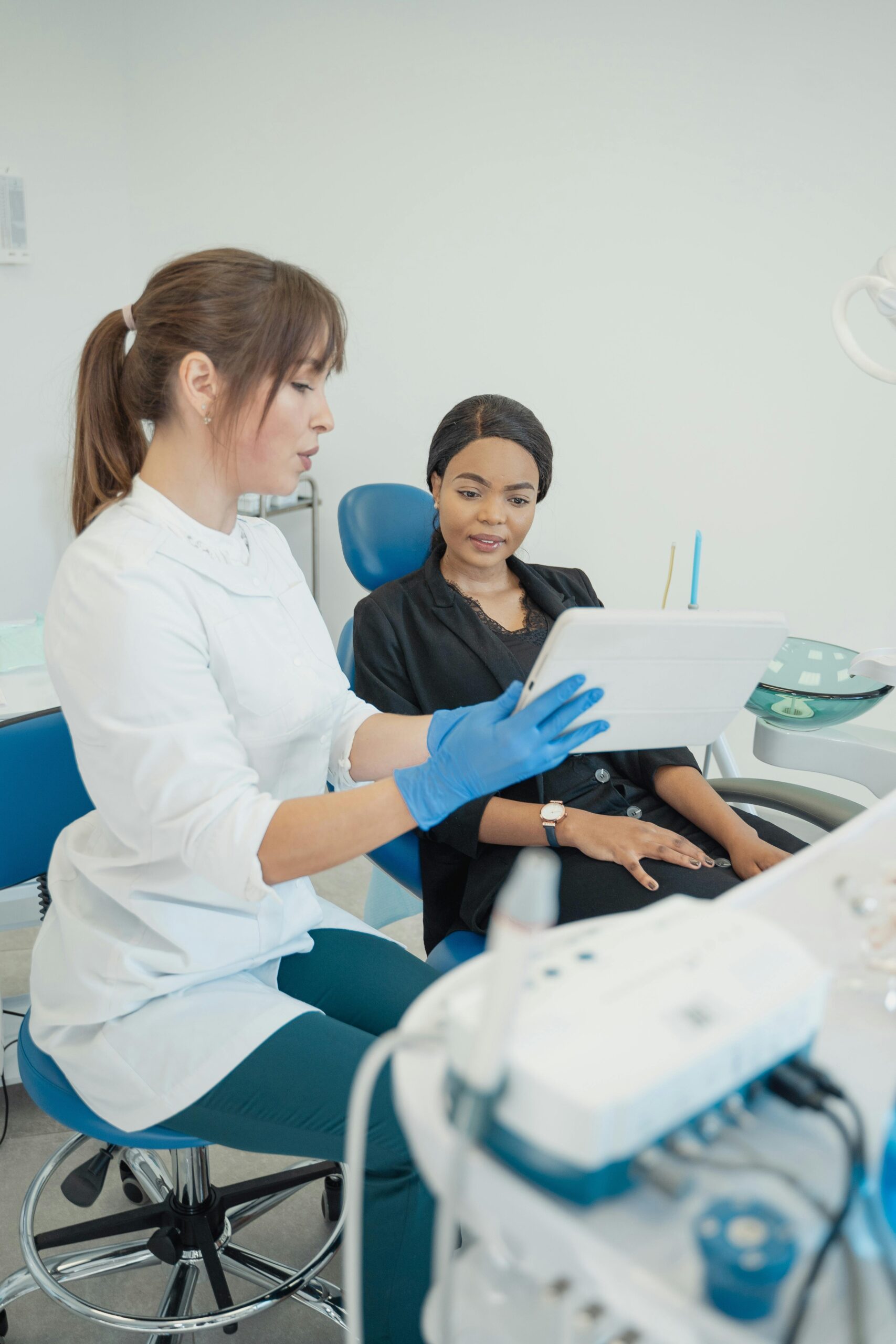

A tooth that has been pushed out of position can look deceptively simple at first glance. It may still be in the mouth, there may be only a little bleeding, and the pain can range from sharp to surprisingly dull. Yet from a dental trauma standpoint, a dislodged or shifted tooth is one of the situations where minutes and hours matter. The tooth itself is only part of the problem. The supporting ligament, surrounding bone, gum tissue, and nerve supply may all be injured at the same time.
This is where an Emergency Dentist makes a real difference. Treating a displaced tooth is not just a matter of “putting it back.” The dentist has to decide whether the tooth can be repositioned immediately, whether it needs to be stabilized, whether the pulp is likely to survive, and whether there may be a hidden fracture in the root or socket. Good treatment is part urgency, part precision, and part judgment.
People often use the word “knocked loose” to describe several different injuries. In practice, dentists separate them into categories because each one behaves differently and calls for a different response. A tooth can be extruded, meaning it has been partially pulled out of the socket. It can be laterally luxated, which means it has been shoved sideways. It can be intruded, where it is driven deeper into the jawbone. It can also simply become mobile after a blow, even if it does not look dramatically out of place. All of these fall under dental trauma, but they do not get the same treatment.
What counts as a dislodged or shifted tooth
Most adults notice right away when a front tooth looks longer, crooked, or suddenly “off” when they bite down. Children may be less precise about what happened, especially after a fall, but there are usually clues. A tooth may feel high when the jaws close, the gum may look bruised, and the person may avoid touching the tooth with the tongue because it feels unstable.
A displaced tooth usually follows a direct impact. Common causes include sports collisions, falls on hard surfaces, bicycle accidents, accidental elbow strikes, and car crashes. Sometimes the force is enough to affect several teeth at once, especially in the upper front of the mouth. It is not unusual for a patient to focus on the tooth that looks out of place while missing the fact that a neighboring tooth is cracked or the lip has a deep laceration.
Primary teeth and permanent teeth are handled differently. With baby teeth, the dentist has to think not only about the injured tooth but also about the developing adult tooth beneath it. With permanent teeth, the main goals are preserving the tooth, protecting the pulp if possible, and preventing long-term complications such as resorption or ankylosis.
The first few minutes after the injury
What happens before the patient even reaches the office can affect the result. Families often do one of two things that complicate care. They either ignore the injury because the tooth is “still there,” or they try to force it back into place without understanding the type of trauma involved. A tooth that has only shifted slightly may be very tempting to push on, but that can worsen the damage if the root, socket, or bone is fractured.
If the tooth has moved, the safest immediate response is usually simple:
- Control bleeding with clean gauze or a soft cloth and gentle pressure.
- Avoid wiggling, twisting, or repeatedly checking the tooth with fingers or tongue.
- Use a cold compress on the outside of the mouth to limit swelling.
- Stick to soft foods and do not bite with the injured area.
- Contact an Emergency Dentist as soon as possible, ideally the same day.
That advice sounds basic, but it prevents a lot of avoidable harm. I have seen patients arrive after well-meaning attempts to “straighten” the tooth at home, only to find that the socket injury became more severe. The dentist can numb the area, assess the injury properly, and reposition the tooth with controlled force if that is the right move.
What the emergency visit looks like
A good emergency dental visit for trauma is usually more methodical than patients expect. The tooth may be the obvious concern, but the exam starts wider than that. The dentist will ask how the injury happened, when it happened, whether there was loss of consciousness, and whether the bite feels different. If there are signs of head injury, nausea, dizziness, or facial fractures, the dental issue may become secondary to medical evaluation.
Inside the mouth, the dentist checks mobility, position, bite relationship, bleeding from the gum around the tooth, and injuries to nearby teeth. A tooth that is laterally displaced often locks into a new position because the socket wall is involved. It may feel very firm even though it is in the wrong place. An extruded tooth, on the other hand, often looks elongated and may be more mobile.
Radiographs are a key part of the visit. They help reveal root fractures, socket fractures, intrusion depth, and the stage of root development. In some trauma cases, especially when the injury is complex, additional imaging may be recommended. A tooth can look manageable from the front and still have a root split that changes the entire prognosis.
Local anesthesia is usually given before repositioning. That is not just for comfort. A numb, relaxed patient allows the dentist to work more accurately. Soft tissue may also need to be cleaned, and small fragments of dirt, grit, or blood clot may need to be removed so the tooth can be assessed clearly.
How an Emergency Dentist decides on treatment
The actual treatment depends on three things more than anything else: the direction of displacement, how long ago the injury occurred, and whether the tooth is primary or permanent. Age matters too, because younger permanent teeth with open root tips have better healing potential in some situations.
These are some of the decisions the dentist is weighing during that appointment:
- Is the tooth merely mobile, or is it visibly displaced from its normal position?
- Can it be repositioned safely right now, or is there a fracture that changes the plan?
- Does it need to be splinted to neighboring teeth for stability while the ligament heals?
- Is the pulp likely to recover, or is root canal treatment likely in the near future?
- Are there signs that medical or specialist referral is necessary right away?
That may sound like a lot to determine in one visit, but trauma care often depends on making these decisions quickly and then revisiting them over time. The first appointment stabilizes the situation. It rarely tells the whole story of how the tooth will heal.
Repositioning the tooth
If a permanent tooth has been pushed out of place, the dentist will often try to reposition it as close as possible to its original location. This is usually done with firm but controlled pressure after numbing the area. The movement can be surprisingly subtle. The goal is not to force the tooth aggressively but to guide it back into the socket relationship that gives the ligament a chance to heal.
With extrusive luxation, where the tooth has partially come out, the dentist will typically seat the tooth gently back into the socket. With lateral luxation, where it has been pushed to one side, it may first need to be disengaged from its locked position and then guided back. This is why home attempts often fail. The tooth is not always simply “crooked.” Sometimes it is mechanically jammed into altered bone.
Intrusion is more complicated. When a tooth is driven deeper into the socket, the dentist may monitor, reposition, or refer for orthodontic or surgical management depending on the patient’s age, the extent of intrusion, and root development. Intruded permanent teeth carry a higher risk of pulp damage and root resorption, so the follow-up tends to be more involved.
For primary teeth, the approach is often more conservative than parents expect. If a baby tooth has been displaced, the dentist may decide not to reposition it if doing so could injure the developing permanent tooth. In some cases extraction is the safer choice. That can be upsetting for families, but preserving a damaged baby tooth is not always the priority if it puts the adult tooth at risk.
Stabilization with a splint
After repositioning, many displaced permanent teeth need stabilization. This is commonly done with a flexible splint attached to the injured tooth and the neighboring teeth. A flexible splint is preferred in many cases because it holds the tooth in position while still allowing slight physiologic movement. Teeth do not heal best when they are locked rigidly unless a specific fracture pattern calls for that approach.
Patients are often surprised by how modest the splint looks. It may be a thin wire or fiber material bonded with composite, and from the outside it can be fairly discreet. Its purpose is practical, not cosmetic. It protects the healing ligament from repeated microtrauma when the person talks, swallows, or accidentally taps the teeth together.
The splint usually stays in place for a period measured in weeks, not months, though the exact timing depends on the injury. If there is an associated alveolar bone fracture, the stabilization period may be longer. The dentist also gives instructions on hygiene because splints trap plaque easily. A soft toothbrush, careful rinsing, and a temporary shift to softer foods are part of the healing process.
Pain control, bite adjustment, and soft tissue care
The displaced tooth is the headline injury, but comfort and function matter too. If the bite has changed, the dentist may make small adjustments to reduce traumatic contact. Sometimes just removing one heavy contact point can make a dramatic difference in pain when the patient closes the mouth.
Pain management is usually conservative. Over the counter anti-inflammatory medication may be enough for many patients, assuming it is medically appropriate for them. If there are cuts to the lips, gums, or tongue, those may need cleaning, closure, or both. It is not uncommon for tiny enamel fragments to be lodged in the lip after a trauma, especially in sports injuries. If the lip wound is deep, the dentist may inspect it carefully or recommend additional evaluation.
Antibiotics are not automatic for every shifted tooth. Their use depends on the nature of the injury, the degree of contamination, the patient’s medical status, and whether other injuries are present. Tetanus status may matter if the trauma involved outdoor contamination or dirty surfaces. These decisions are individualized rather than routine.
When root canal treatment enters the picture
One of the most important things patients learn after a tooth injury is that successful repositioning does not end the story. A tooth can look good immediately after treatment and still develop pulp necrosis weeks or months later. The blood supply to the nerve can be damaged during the impact, especially in mature permanent teeth with closed root tips.
That does not mean every shifted tooth needs a root canal. Some recover, particularly in younger teeth. But the dentist watches closely for changes in color, lingering sensitivity, spontaneous pain, swelling, and radiographic signs at the root tip. Pulp testing is useful, though immediately after trauma it may give unreliable results. A tooth can test nonresponsive early on and still recover, which is why judgment and follow-up matter more than one isolated reading.
When root canal treatment is needed, timing depends on the type of injury and the risk of resorption. Certain intrusion and luxation injuries push the dentist toward earlier endodontic management, especially in fully formed permanent teeth. The reason is preventive as much as reactive. Once inflammatory resorption begins, the treatment window can narrow.
Follow-up is where long-term outcomes are won or lost
Trauma cases are not one visit problems. They need scheduled review, repeated exams, and often repeat radiographs. A patient who feels fine a week later may think the issue is over, but the biologic response inside the tooth and surrounding bone unfolds slowly.
The dentist is tracking several possible outcomes. The best case is that the tooth stays in position, the ligament heals, the bite normalizes, and the pulp remains healthy. A common middle path is that the tooth remains stable but later needs root canal treatment. Less favorable outcomes include persistent mobility, pulpal death, infection, root resorption, ankylosis, or loss of the tooth.
A practical example helps here. A teenager takes a basketball to the mouth, and an upper central incisor is pushed backward. The Emergency Dentist repositions and splints it the same day. Two weeks later, the tooth is stable and the pain is down. At that point many families understandably think the problem is solved. Three months later, the tooth darkens slightly and stops responding to tests. That is not a treatment failure. It is a known trauma pattern, and because the tooth was monitored, the next step can be taken before the surrounding tissues deteriorate.
Differences between children and adults
Children present a special challenge because the mouth is still developing. A shifted baby tooth can affect speech, eating, and comfort, but overly aggressive treatment can also damage the permanent successor. Dentists treating pediatric trauma often make choices that feel counterintuitive to parents who naturally want the tooth “put back exactly.”
With permanent teeth in younger patients, there is also a bit more healing potential in some scenarios, especially if root formation is incomplete. That can influence decisions about waiting, splinting, and pulp therapy. Adults, by contrast, more often have fully developed roots, restorations, prior dental work, and in some cases periodontal bone loss, all of which affect prognosis.
A middle-aged adult with a displaced front tooth after a fall on ice may have a very different treatment path from a ten-year-old who collides with a playground bar. The injury may look similar in the mirror. Biologically, it is not the same case.
Warning signs after emergency treatment
Patients need clear guidance about what should prompt a return visit sooner than scheduled. Swelling, increasing pain, fever, a new pimple-like bump on the gum, worsening bite interference, or a splint that has come loose all deserve attention. So does a tooth that starts to feel progressively more mobile after initially seeming stable.
Color changes matter, but they are not always straightforward. A tooth can darken temporarily from internal bleeding and then improve, especially in younger teeth. It can also darken because the pulp has died. That is why photos alone do not settle the issue. The dentist needs to correlate the appearance with symptoms, testing, and imaging.
If the patient clenches or grinds, healing can be less comfortable. Sometimes the dentist will recommend temporary measures to reduce biting stress. Soft diet instructions are not just generic advice. Biting into crusty bread or a sandwich with the injured front teeth can repeatedly load a ligament that is trying to heal.
What patients often misunderstand
The most common misconception is that pain level tells you how serious the injury is. It does not. Some severely displaced teeth are numb or oddly pressure-like rather than acutely painful. Another misconception is that a tooth that is “only a little loose” can wait indefinitely. Delay can make repositioning harder and can worsen the chance of ideal healing.
People also tend to assume the visible tooth is the whole injury. In reality, supporting bone may be cracked, neighboring teeth may have concussion injuries, and the pulp may be compromised even when the enamel looks intact. The emergency appointment is valuable because it looks beyond the obvious.
There is also a cosmetic misconception. A tooth can appear back in line after treatment, but trauma may https://zanebkrb258.vantagequill.com/posts/what-to-do-if-you-cannot-reach-an-emergency-dentist-right-away still affect its long-term appearance. Discoloration, subtle contour changes at the gumline, and later restorative needs are not rare. The aim on day one is to preserve health and position. Perfect aesthetics, if needed, are often addressed later.
Why timing matters so much
Dental trauma care is one of the clearest examples of why same-day attention can improve outcomes. The periodontal ligament cells around the root are sensitive to disruption. The socket begins responding to injury immediately. Soft tissues swell. Blood clots organize. The longer a displaced tooth sits in the wrong position, the less forgiving the tissues may become.
That does not mean every delayed case is hopeless. Dentists treat next-day and even later presentations regularly. But earlier assessment usually gives more options and more predictable repositioning. It also allows documentation of baseline vitality, mobility, and radiographic findings, which becomes important when deciding later whether the tooth is recovering or deteriorating.
An Emergency Dentist is not only treating the accident itself. They are also setting up the best possible conditions for healing over the next several months. In trauma, that first response carries more weight than patients often realize.
The practical goal of emergency care
At the chairside level, the goals are straightforward: return the tooth to the right place if appropriate, stabilize it, protect the surrounding tissues, control discomfort, and build a follow-up plan that catches complications early. Those steps sound ordinary on paper. In practice, they require a calibrated hand and a fair amount of restraint. Overtreating a trauma case can be as problematic as undertreating it.
The best emergency care balances urgency with patience. The dentist must move fast enough to preserve the tooth’s chances, yet thoughtfully enough to avoid creating new damage. When that balance is right, even a frightening injury can settle into a very manageable recovery.
A dislodged or shifted tooth is one of those dental problems where appearances can mislead. What looks minor may carry real risk, and what feels alarming may still be very treatable. The strongest outcomes usually come from quick evaluation, accurate diagnosis, careful repositioning when indicated, and disciplined follow-up after the first wave of pain and panic has passed.
Smyle Dental Newhall
23754 Newhall Ave
Santa Clarita, CA 91321, United States
+16612559200
FAQ About Emergency Dentist
Will the ER do anything for dental pain?
An emergency department can assess serious complications and provide temporary care, but it usually cannot provide definitive dental treatment such as a filling or root canal. A dentist needs to identify and treat the cause. Call 911 or seek emergency medical care for difficulty breathing or swallowing, major facial injury, or uncontrolled bleeding.
What qualifies as a dental emergency?
A knocked-out permanent tooth, severe or persistent dental pain, swelling, and a broken tooth with pain need prompt professional assessment. Contact a dentist immediately for guidance on how urgently to be seen. Rapidly spreading swelling or swelling that affects breathing or swallowing requires emergency medical care.
What to do if I have a dental emergency in the middle of the night?
Call your dentist's office for after-hours instructions. Smyle Dental Newhall can be reached at (661) 255-9200; confirm when treatment is available. Do not wait for the office to open if you have trouble breathing or swallowing, uncontrolled bleeding, or a major facial injury. For a toothache while arranging dental care, gently rinse with warm water and avoid putting aspirin directly on the tooth or gums.