How Wisdom Teeth Removal in Oxnard CA Can Prevent Future Dental Issues
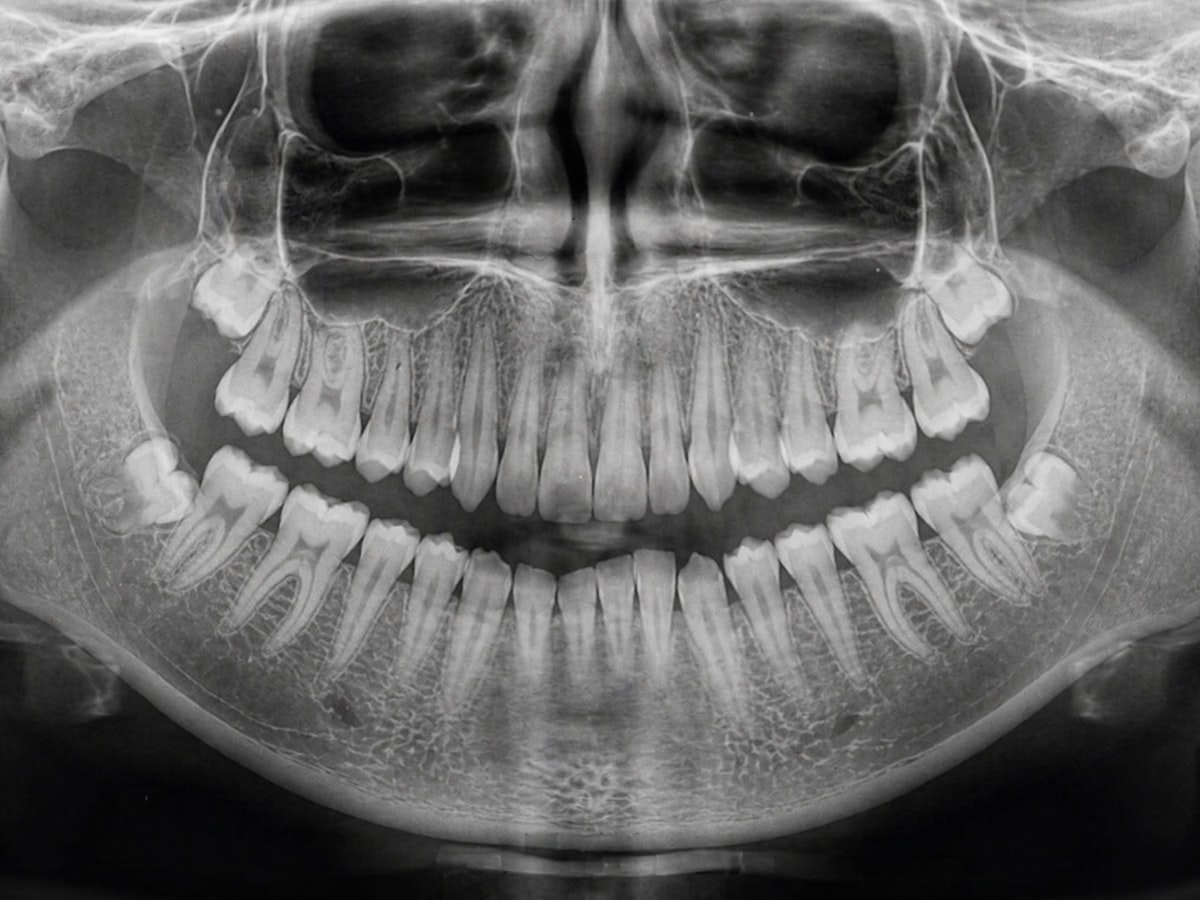
Wisdom teeth have a way of seeming unimportant until they start causing trouble. Many people reach their late teens or early twenties with no symptoms at all, then wake up one morning with soreness near the back of the jaw, swollen gums, or a strange pressure that was not there a month earlier. Others go years without pain and assume everything is fine, only to hear during a routine dental exam that a wisdom tooth is trapped under the gums, crowding nearby teeth, or creating a pocket where bacteria can thrive.
That is why wisdom teeth removal is often less about treating a current emergency and more about preventing a string of avoidable dental problems. In a place like Oxnard, where patients are balancing work, school, family schedules, and year-round activity, it helps to address issues before they become painful, expensive, or disruptive. When patients ask whether wisdom teeth removal is really necessary, the most honest answer is that it depends on the position of the teeth, the space available in the jaw, and the condition of the surrounding gum and bone. But in many cases, removing problematic wisdom teeth early can spare a person from infections, damage to neighboring teeth, gum disease, and more complicated surgery later on.
Why wisdom teeth cause problems so often
Wisdom teeth, also called third molars, are the last permanent teeth to develop. They usually emerge between the late teens and mid-twenties. Human jaws, however, often do not have enough room to accommodate them properly. That mismatch is at the root of many problems.
Some wisdom teeth erupt normally and never need to be removed. That does happen. A patient may have four healthy, fully erupted third molars that are easy to clean and properly aligned. In those cases, a dentist may simply monitor them. The more common scenario is less tidy. A wisdom tooth may come in at an angle, press against the second molar, remain partially trapped under the gum, or stay completely impacted in the jawbone.
Partially erupted wisdom teeth are particularly troublesome because they create a small flap of gum tissue where food debris and bacteria get lodged. That area is hard to brush and even harder to floss. Infection can develop quickly, sometimes with little warning. One week the area feels mildly irritated, the next week the patient cannot chew comfortably on that side.
Impacted wisdom teeth can be quieter but no less harmful. Because they are hidden, people often assume they are harmless. Yet an impacted tooth can place pressure on adjacent teeth, contribute to cyst formation in rare cases, or create chronic inflammation in the surrounding tissues. Many of these issues are discovered first on dental X-rays, not because the patient felt obvious pain.
The preventive value of early evaluation
One of the most important parts of managing wisdom teeth is timing. Removal is not automatically required the moment third molars appear on an X-ray, but early evaluation matters. Dentists and oral surgeons look at root development, tooth angulation, available jaw space, and how close the roots are to nearby structures.
There is a practical reason this timing matters. In younger patients, the roots of wisdom teeth are often not fully formed, and the surrounding bone is generally less dense. That tends to make removal more straightforward and recovery a bit easier. Waiting until the late twenties, thirties, or beyond does not mean surgery cannot be done well, but it can mean more complex extraction, a slower recovery, and a greater chance that surrounding structures are involved.
This comes up often in real practice. A college student home for break may come in after being told for years to “keep an eye on” wisdom teeth. If the newest X-rays show crowding, recurrent gum inflammation, or a tooth pushing into the second molar, it may be the right time to remove them before a busy semester or before pain disrupts classes and work. That kind of planning is not cosmetic or optional. It is preventive care with long-term consequences.
Problems wisdom teeth can create if they stay in place
When people hear the phrase “future dental issues,” it can sound vague. In reality, the risks are specific and familiar to dental professionals. Leaving problematic wisdom teeth alone can lead to several concrete complications.
- recurrent gum infection around partially erupted teeth
- decay in the wisdom tooth or the neighboring second molar
- crowding or pressure that affects alignment and bite comfort
- damage to bone or soft tissue around impacted teeth
- harder, more invasive treatment later if problems advance
Each of those deserves a closer look, because the damage is often cumulative rather than dramatic at first.
Gum infections that keep returning
One of the most common wisdom tooth complications is pericoronitis, which is inflammation or infection of the gum tissue around a partially erupted tooth. Patients often describe a bad taste, tenderness when swallowing, pain while chewing, or swollen tissue near the back molars. Sometimes the jaw feels stiff, and sometimes the discomfort radiates toward the ear.
What makes this issue frustrating is that it can improve and then return. A patient may rinse with salt water, take antibiotics, feel better for a while, and assume the problem is solved. But if the tooth remains partly covered by gum tissue, the same pocket remains. Food and bacteria continue to collect there. The cycle repeats. Removal breaks that cycle.
Decay that spreads where you cannot reach it
Wisdom teeth are notoriously difficult to clean. Even fully erupted third molars sit far back in the mouth, and many people struggle to brush them effectively. When a wisdom tooth is tilted or only partly erupted, the risk rises for cavities both in that tooth and in the second molar directly in front of it.
This matters because the second molar is usually a strong, functional tooth that has a lot of long-term value. Losing or damaging a second molar because of a neglected wisdom tooth is a poor trade. Dentists often find decay beginning in the tiny contact area where the wisdom tooth presses against the second molar, a place that patients cannot see and often cannot clean. By the time symptoms appear, treatment may involve more than a simple filling.
Pressure on neighboring teeth and the surrounding bone
Crowding is one of the more debated wisdom tooth topics. Not every case of shifting front teeth is caused by wisdom teeth, and responsible dentists avoid claiming that third molars are the sole reason adult teeth move over time. Teeth can shift for several reasons, including natural aging and bite changes.
That said, wisdom teeth that erupt at an angle can absolutely create localized pressure and contribute to crowding in the back of the mouth. More importantly, they can compromise the health of the tooth in front of them. When a third molar pushes sideways into a second molar, it can affect the roots, trap bacteria, and create hard-to-clean areas under the gumline. The result is not just cosmetic alignment concerns. It can be structural damage.
Hidden pathology that develops slowly
Most impacted wisdom teeth do not lead to severe pathology, but some can be associated with cystic changes or chronic inflammation that affects bone. This is one reason periodic imaging matters. The problem with hidden pathology is that it often advances quietly. Patients with no obvious symptoms may assume there is no urgency, while subtle damage continues around the impacted tooth. Catching these changes early usually means a simpler, cleaner intervention.
Why local care matters in Oxnard
Choosing where to have oral surgery is not only about geography. It is about continuity of care, follow-up, and practical access. Patients looking into Wisdom Teeth Removal Oxnard CA often want more than a clinic with available appointments. They want a team that coordinates with their general dentist, explains the imaging clearly, manages anxiety well, and is available if questions come up during recovery.
That local connection matters more than people expect. If swelling feels unusual on day three, if a patient has concerns about dry socket, or if work and school schedules require careful planning, being close to the treating office is a genuine advantage. Oral surgery is rarely just a one-day event. The consultation, imaging review, anesthesia discussion, extraction, and follow-up all work better when the care team is accessible.
Oxnard patients also tend to have varied needs. Some are young adults heading off to college. Some are working parents who have put off care because life got busy. Some are older adults whose wisdom teeth were never removed because they never seemed to bother them. A good treatment plan accounts for those differences rather than treating every case the same way.
When keeping wisdom teeth can make sense
A balanced discussion should acknowledge that removal is not always necessary. There are cases where wisdom teeth are healthy, fully erupted, properly positioned, and easy to maintain with daily hygiene. If there is no evidence of decay, gum disease, or damage to neighboring teeth, monitoring may be a reasonable approach.
But “leave them alone” only makes sense when there is a real basis for that decision. It should come after an exam and updated imaging, not from the assumption that lack of pain equals lack of disease. Pain is a late signal in dentistry. Many destructive processes begin quietly.
In practice, the decision often comes down to risk management. If a wisdom tooth is technically present but predictably likely to cause trouble because of its angle, partial eruption, or access for cleaning, removal may be the lower-risk path even before major symptoms appear.
What the removal process usually involves
Patients are often more comfortable once they understand the process. Fear tends to shrink when the unknown becomes specific. Wisdom teeth removal is a common procedure, but the experience varies based on whether the teeth are fully erupted or impacted, how many are being removed, and what type of anesthesia or sedation is used.
A typical sequence looks like this:
- Examination and imaging to assess tooth position, root formation, and nearby anatomy
- Treatment planning, including discussion of timing, sedation options, and recovery expectations
- Removal of one, several, or all wisdom teeth during the scheduled procedure
- A recovery period focused on clot protection, swelling control, hydration, and soft foods
- Follow-up if healing needs to be checked or if symptoms raise questions
For many healthy young adults, the first few days are the most uncomfortable, and then things improve steadily over a week or so. Mild swelling and soreness are normal. Recovery tends to be easier when patients follow instructions closely, especially regarding rest, fluids, and avoiding anything that could disturb the healing site.
Recovery concerns patients commonly ask about
The fear of recovery stops many people from scheduling treatment. That concern is understandable, but it is often shaped by dramatic stories from friends rather than by typical clinical reality.
Most patients are back to light daily activities fairly quickly, though strenuous exercise may need to wait a bit longer. The first 24 to 72 hours usually involve the most swelling. Ice packs help early. Soft foods make eating manageable. Good pain control, whether through prescription medication, over-the-counter options, or both, depends on the individual treatment plan and medical history.
Dry socket is one of the complications people hear about most. It occurs when the protective blood clot at an extraction site is lost too early, exposing underlying bone and nerves. It can be quite painful, but it is also manageable and not inevitable. Smoking, vigorous rinsing too soon, or using straws can raise the risk because those actions may disrupt the clot.
Patients who prepare well tend to recover more smoothly. That means arranging a ride home if sedation is used, stocking the kitchen with soft foods, clearing a https://www.brownbook.net/business/40954834/oxnard-dentistry few lighter days in the calendar, and following instructions even when they seem minor. In oral surgery, small details matter.
The cost of waiting can be higher than expected
A wisdom tooth that is not painful today can still become expensive tomorrow. Delaying removal sometimes means more than postponing one procedure. It can lead to treatment for a cavity in the neighboring molar, gum infection care, emergency visits for swelling, or more difficult surgery when roots are fully developed and bone is denser.
There is also the non-financial cost. Dental pain has a way of arriving at the worst time. It interrupts sleep, concentration, work, family plans, and travel. I have seen patients who ignored a nagging area for months only to have it flare right before an exam week, a wedding, or a vacation they had been planning for a year. Preventive removal, when indicated, gives people more control over timing and recovery.
Signs it is time to schedule an evaluation
Not every symptom means wisdom teeth are the cause, but several patterns deserve prompt attention. Repeated soreness near the back molars, swollen gums, jaw stiffness, food trapping behind the last visible tooth, and difficulty cleaning the area are all common clues. So is an unpleasant taste or odor that keeps returning despite brushing and rinsing.
Sometimes there are no obvious symptoms at all, which is why routine dental exams remain important. X-rays often tell the story before pain does. For patients who have not had their wisdom teeth evaluated recently, especially those in their late teens through twenties, it is sensible to ask about them during a checkup.
If you are considering Wisdom Teeth Removal Oxnard CA, the goal should not be to rush into surgery or to avoid it at all costs. The goal is a clear diagnosis, an honest discussion of risk, and a plan that protects the teeth and gum tissue you want to keep healthy for decades.
Protecting the teeth that matter most
One of the clearest ways to think about wisdom teeth is this: the decision is usually not about saving the wisdom teeth themselves. It is about protecting the rest of the mouth. The second molars, the surrounding bone, the health of the gums, and the comfort of the bite all carry more daily value than a third molar that is hard to clean, poorly positioned, or likely to become infected.
That perspective helps patients make sense of the recommendation. Dentists and oral surgeons are not typically focused on removing teeth unnecessarily. The profession has become more conservative over time, not less. But when wisdom teeth show signs that they threaten neighboring structures or create repeated inflammation, removal is often the prudent choice.
Handled at the right time, the procedure is routine for many patients. Delayed too long, the same issue can become more painful, more complicated, and more disruptive than it needed to be. For people in Oxnard who want to avoid preventable dental problems down the road, a timely wisdom tooth evaluation is often a smart place to start.
Oxnard Dentistry
1730 E Gonzales Rd
Oxnard, CA 93036, United States
Phone: +1 805-307-8731
FAQ About Wisdom Teeth Removal Oxnard CA
How much does it cost to get wisdom teeth removed in California?
Fees depend on tooth position, the number of extractions, imaging and anesthesia. Oxnard Dentistry can provide an individual estimate after examining your teeth. Ask for an itemized plan and confirm insurance benefits before scheduling.
Will insurance cover wisdom teeth removal?
Coverage and out-of-pocket costs vary by policy and the treatment required. Ask the dental office and your insurer to verify benefits, annual limits and any authorization requirements. A benefit estimate does not guarantee payment.
Is 30 too old to have wisdom teeth removed?
Age alone does not determine whether extraction is appropriate. A dentist evaluates symptoms, tooth position, oral health and medical history. Healthy, functional wisdom teeth may be monitored; teeth causing disease or other problems may need treatment.