Why Preventive Dentistry From a General Dentist in Santa Clarita CA Saves Time
Time is one of the first things patients mention when they finally book a dental visit after putting it off for months, sometimes years. They are busy with work, school pickups, traffic, sports schedules, caregiving, and the hundred ordinary demands that fill a week. What surprises many of them is this: preventive dentistry is almost always the faster path. A simple exam, routine cleaning, or early repair rarely feels urgent in the moment, but it often prevents the kind of dental problem that takes multiple appointments, more recovery time, and far more disruption later.
That is especially true in growing communities where families juggle packed calendars. Seeing a general dentist in Santa Clarita CA for preventive care is https://cristianukvj257.novacrestiq.com/posts/how-a-general-dentist-in-santa-clarita-ca-makes-family-dentistry-easier not just about avoiding cavities. It is about protecting your schedule from the domino effect of untreated dental issues. A small problem caught on a Tuesday afternoon may save you from a Friday emergency, a missed day of work, a child pulled from school, or a weekend spent searching for urgent care.
Preventive dentistry sounds modest, almost routine. In practice, it is one of the most efficient forms of healthcare most people can use.
The hidden time cost of waiting
When patients think about postponing dental care, they usually focus on the appointment they are trying to avoid. Thirty minutes. An hour. Maybe ninety minutes if it has been a while. What often gets ignored is the time cost of what comes next if that small issue is allowed to grow.
A cavity does not stay the same size because your calendar is full. Gingivitis does not pause because you are in the middle of a busy quarter at work. A cracked filling does not care that the kids have tournaments every weekend this month. Dental problems progress quietly, then suddenly become loud. That change from silent to urgent is where time starts disappearing.
A tiny cavity found during a routine exam may be repaired with a straightforward filling appointment. Wait six or twelve months, and the same tooth might need a larger filling, then a crown, or in some cases root canal treatment if decay reaches the nerve. Instead of one preventive visit and one short restorative visit, now you may be looking at consultations, numbness, temporary restorations, follow-up care, and recovery from a tooth that hurts enough to interrupt sleep.
The same pattern shows up with gum disease. Mild gingivitis can often improve with regular cleanings and better home care. If plaque and tartar are left in place, inflammation can deepen into periodontal disease. That often means more involved cleaning appointments, more maintenance visits, more sensitivity, and more long-term management. The delay feels small at first. The catch-up process rarely is.
Why general dentistry is built around efficiency
A good general dental practice is designed to do more than react. Its real value lies in noticing patterns early, monitoring change over time, and keeping small issues from becoming major ones. That is where patients save time in the most practical sense.
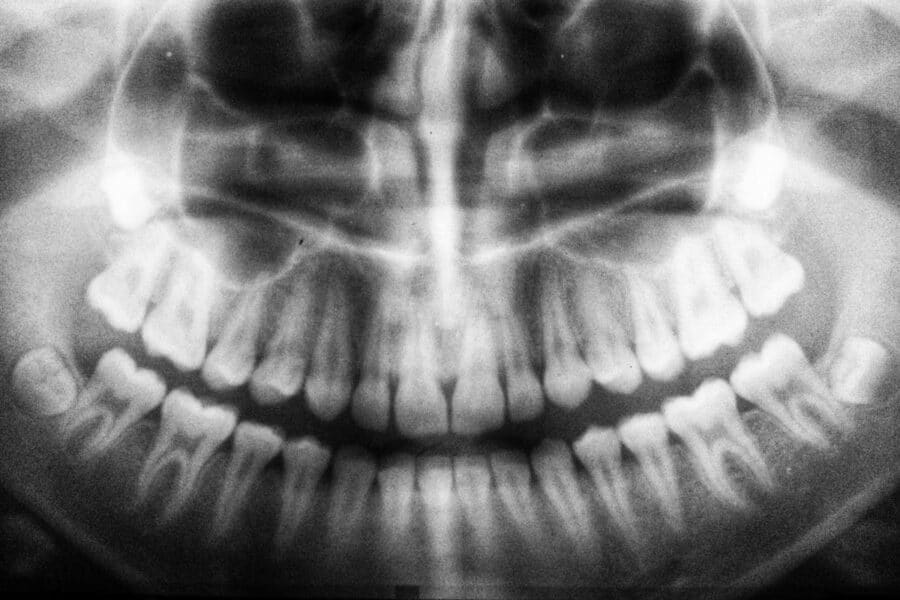
A general dentist sees the full picture. During a routine preventive visit, several things happen at once. Teeth are checked for early decay, fillings are evaluated, gums are assessed, bite issues may be noted, oral cancer screening can be performed, and radiographs may reveal what cannot be seen on the surface. That single visit creates a broad snapshot of oral health. It is efficient because it is comprehensive.
Patients sometimes assume skipping checkups is harmless if nothing hurts. In reality, many early dental problems are painless. I have seen patients come in convinced they are fine because they can chew normally, only to learn that an old filling has broken down under the surface or that a back molar has deep decay with no obvious symptoms yet. Catching that during a scheduled exam takes far less time than managing pain after the tooth flares up.
When you have an established relationship with a general dentist in Santa Clarita CA, there is another advantage: continuity. Your dentist already knows your history, your previous x-rays, your existing restorations, and the areas that tend to trap plaque or wear down. That familiarity speeds up decision-making. It reduces repeated explanations, duplicated imaging, and the uncertainty that comes with being seen only when something is already wrong.
Small appointments protect the rest of your calendar
Preventive visits are usually the easiest appointments to fit into life because they are predictable. You book them ahead of time. You choose a day that works. You plan around them. Emergencies do not offer that courtesy.
Anyone who has dealt with sudden tooth pain knows how quickly it can take over a day. There is the call to find an opening, the rearranged meetings, the childcare scramble, the drive, the wait, the treatment, and sometimes the need to return because a full procedure cannot be completed in a single urgent visit. Even if the office is efficient, emergency care creates ripple effects. Preventive care is far more controlled.
The time savings are often most noticeable for families. Parents trying to manage three or four separate school and activity schedules benefit enormously from predictable checkups instead of unpredictable dental crises. Children who get regular exams and cleanings are less likely to need last-minute appointments for pain or swelling. Adults who stay current with preventive care are less likely to lose a workday to an avoidable infection or fractured tooth.
There is also the issue of recovery time. A routine cleaning might leave a mouth feeling fresh. A neglected tooth that eventually needs more invasive treatment may leave someone numb for hours, sore for a day or two, and eating carefully for longer. Time is not only measured in chair time. It is measured in how much the rest of your day gets disrupted.
What preventive dentistry actually includes
Preventive dentistry is broader than many people realize. It is not just a polish and a reminder to floss more. In a well-run practice, preventive care is a system of regular observation, risk reduction, and early intervention.
That system often includes:
- professional cleanings to remove plaque and tartar that home brushing cannot fully reach
- comprehensive exams to catch decay, worn restorations, bite changes, and soft tissue concerns
- diagnostic x-rays at appropriate intervals to reveal hidden problems between teeth or below the gumline
- fluoride or sealants when they make sense for cavity-prone children or adults
- personalized home-care advice based on actual risk factors, not generic instructions
Each of those services saves time in a different way. Cleanings help reduce the buildup that leads to gum disease. Exams identify what is changing before symptoms escalate. X-rays can reveal problems that would otherwise stay hidden until they become painful. Fluoride and sealants may prevent decay in patients who are more susceptible. Tailored home-care guidance reduces repeat problems in the same areas.
The key word here is tailored. Not every patient needs the same frequency of visits or the same preventive tools. Someone with a dry mouth from medication, frequent snacking, and a history of multiple fillings has different needs from someone with low decay risk and excellent home care. A seasoned general dentist makes those judgment calls so that preventive care is efficient, not excessive.
The real difference between early treatment and delayed treatment
Patients are often shocked by how quickly a manageable issue turns into a more involved case. That shift happens because teeth do not heal the way a minor skin cut does. Once decay starts, the tooth does not repair itself in a meaningful way. Once a crack deepens, chewing pressure tends to make it worse. Once gum inflammation progresses, the supporting tissues are harder to preserve.
Consider a common example. A patient notices occasional sensitivity to cold on one side but ignores it because it comes and goes. At a routine exam, that could have been identified as early enamel breakdown or a small cavity. If the patient delays, the decay may move deeper into dentin, where treatment becomes more extensive. If delay continues, the nerve may become inflamed or infected. At that point, the “saved time” from skipping a checkup can turn into several hours spread over multiple visits.
There is a financial side to this, of course, but even patients who are not focused on cost notice the time burden. A simple filling is often easy to fit into a lunch break or half day. A crown typically requires more planning. Endodontic treatment or extraction and replacement can affect work, meals, exercise, and sleep. That is the practical reality of postponed care.
Santa Clarita families often need dentistry that fits real life
Communities like Santa Clarita have a rhythm of their own. Many households are balancing commuting, school schedules, youth sports, family events, and work responsibilities that do not stop just because a tooth starts throbbing. In that setting, preventive care becomes less of a nice idea and more of a scheduling strategy.
A general dentist in Santa Clarita CA often sees this firsthand. The patient who delayed a cleaning because summer got busy returns in the fall with bleeding gums and sensitivity. The teen who skipped a recare visit during sports season ends up needing treatment right before finals. The working parent who ignored a lost filling ends up in the chair during the one week they could least afford time away from the office.
The point is not to dramatize routine dental neglect. It is simply to recognize how oral health and time management intersect. Dental issues rarely appear at convenient moments. Preventive care, by contrast, can usually be planned months in advance.
Practices that serve busy communities also tend to build workflows around that reality. Morning appointments, grouped family scheduling, digital records, and streamlined follow-up all help. But those efficiencies matter most when care happens before the problem becomes urgent.
Prevention reduces decision fatigue
One of the less obvious time savings of preventive dentistry is mental. When care is regular, decisions are simpler. You know when you are due. You know where to go. Your records are current. You already have trust in the office and a sense of what your dentist recommends for your specific needs.
When people fall out of the habit of routine care, everything becomes a bigger project. Which office should I call? Is this pain serious enough? Should I wait until next month? Can this tooth be saved? Do I need a specialist? Those questions take time and energy, especially when they have to be answered under stress.
Preventive visits reduce that friction. If something small is found, treatment planning is clearer because the dentist has baseline information. If nothing is found, the patient leaves with reassurance and an updated timeline for the next visit. Either way, uncertainty shrinks.
That matters more than many people expect. A lot of dental procrastination is not really about fear of treatment. It is about the burden of dealing with a task that feels open-ended. Prevention keeps the task small, defined, and easier to complete.
Children, teens, and adults all save time differently
The time value of prevention changes across life stages.
For young children, preventive care often saves parents from school absences, disrupted sleep, and urgent visits prompted by cavities that progressed faster than expected. Pediatric mouths can change quickly. Early habits, sealants when appropriate, and regular exams can prevent a surprising amount of chaos.
For teens, prevention often intersects with sports, orthodontics, and inconsistent brushing habits. A teenager with braces, for example, may be more prone to plaque buildup around brackets. Preventive monitoring helps catch trouble before it derails a schedule already packed with school demands and extracurricular commitments.
For adults, the time savings often show up in avoiding restoration failures, gum disease progression, and stress-related issues like clenching or cracking teeth. Adults also tend to underestimate how much medications, acid reflux, dry mouth, and aging restorations affect oral health. Regular exams catch those changes before they become major interruptions.
Older adults may save time by preventing complications tied to worn dental work, root exposure, or medical conditions that make oral infections harder to manage. In many cases, steady preventive care supports simpler treatment choices later.
What a time-smart preventive routine looks like
The best preventive plan is not the most elaborate one. It is the one a patient will actually maintain. Overly ambitious routines often collapse. Practical, consistent habits save more time than occasional bursts of enthusiasm.
A time-smart routine usually looks like this:
- keep regular dental recall visits based on your risk level, often every six months but sometimes more often
- brush thoroughly twice a day with fluoride toothpaste
- clean between the teeth daily with floss, picks, or another method your dentist recommends
- address small symptoms early, especially sensitivity, bleeding gums, or a rough edge on a tooth
- use protective tools when needed, such as a night guard for grinding or a sports mouthguard
There is nothing glamorous about that list, and that is part of the point. Prevention works because it is ordinary. A few minutes at home, paired with regular professional oversight, prevents the sort of dental problems that consume entire days later.
Patients sometimes ask whether every bit of sensitivity or gum bleeding deserves attention. Not always urgently, but it does deserve mention. Early symptoms are often the body’s quiet warning system. Catching them before they intensify is one of the most efficient moves a patient can make.
When prevention does not mean avoiding all treatment
Preventive dentistry is powerful, but it is not magic. Some patients do everything right and still develop problems. Genetics, past dental history, grinding, medications, anatomy, and plain bad luck all play a role. Teeth with deep grooves may decay despite solid brushing. Old fillings eventually wear out. Accidents happen. Clenching can crack even healthy teeth.
That does not weaken the argument for prevention. It strengthens it.
When preventive care is consistent, treatment tends to stay smaller even when it cannot be avoided entirely. A crack discovered early may be stabilized before the tooth fractures more severely. Gum inflammation may be managed before bone loss becomes advanced. A worn restoration may be replaced before decay spreads underneath it.
This is where experience matters. A thoughtful general dentist does not simply say yes to every intervention at the first sign of change. Sometimes the right move is to monitor. Sometimes it is smarter to treat now while the problem is conservative and predictable. Good preventive dentistry includes that judgment. It is not only about doing less. It is about doing the right amount at the right time.
The relationship factor matters more than people think
There is also a human reason preventive care saves time. Trust speeds care.
When patients know their dentist and hygienist, visits move more smoothly. Questions get answered faster because there is context. Anxiety drops because the environment is familiar. Patients are more likely to schedule promptly, follow recommendations, and bring up small symptoms before they become big ones.
That relationship becomes especially valuable for people who have had mixed dental experiences in the past. Some delay care because they expect every visit to become complicated. In a stable general practice, preventive appointments often rebuild confidence. A patient comes in for a cleaning, learns that nothing major is wrong, gets one small area monitored, and realizes dentistry does not always have to be stressful or time-consuming.
Over time, that changes behavior. People who once waited until something hurt often start coming in regularly because they see the trade-off clearly. One planned visit is easier than a chain of unplanned ones.
Why the easiest hour is often the one you schedule early
There is a practical truth behind most preventive care advice: the easiest dental appointment is usually the one you make before you think you need it. The small amount of time spent now protects far more time later.
For patients in a busy area, choosing a general dentist in Santa Clarita CA for regular preventive care can mean fewer emergencies, fewer complex procedures, fewer missed obligations, and less mental clutter around oral health. It can mean preserving a tooth with a simple filling instead of losing multiple afternoons to a crown or root canal. It can mean avoiding the kind of pain that turns a manageable week into a difficult one.
Preventive dentistry rarely feels dramatic while it is working. That is the beauty of it. The cavity that never deepens, the gum inflammation that settles down, the cracked filling replaced before it breaks on a holiday weekend, those wins often pass quietly. Yet they are exactly what save time.
People tend to notice prevention only when they skip it. By then, the calendar is usually the first thing to suffer.
Smyle Dental Newhall
Address: 23754 Newhall Ave, Santa Clarita, CA 91321
Phone number: +16612559200
FAQ About General dentist Santa Clarita CA
What does it mean by general dentist?
A general dentist is your primary dental care provider. They focus on the overall prevention, diagnosis, and treatment of your daily oral health needs. Think of them as your primary care doctor, but for your teeth and gums.
What is the difference between a dentist and a general dentist?
A dentist is a broad professional title for any licensed oral healthcare provider, while a general dentist is a specific type of primary care dentist who focuses on routine, preventive, and everyday treatments.
What is the difference between a dentistry practitioner and a dentist?
A dentist is a licensed doctoral-level healthcare professional, whereas a dental practitioner is a broader umbrella term that can include dentists as well as other trained oral health professionals.